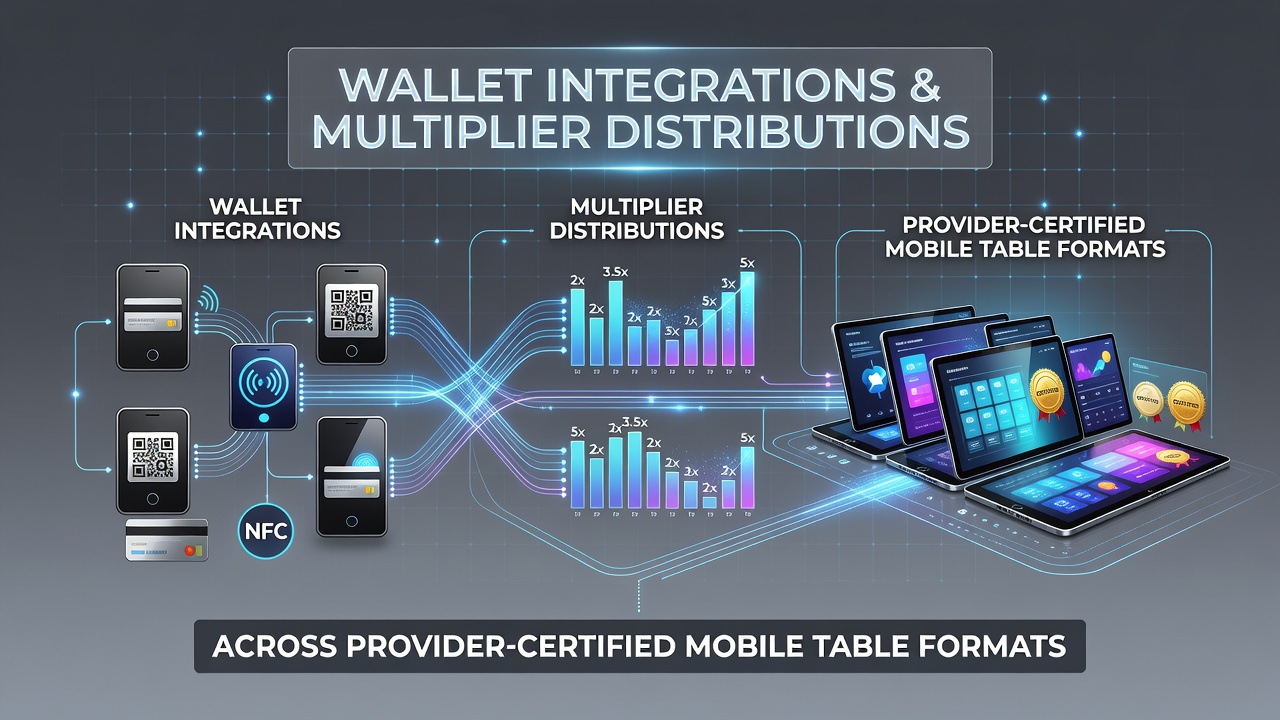
Wallet Integrations Shape Multiplier Distributions in Certified Mobile Table Formats
Provider-certified mobile table formats rely on precise wallet integrations that determine how multipliers apply across blackjack, roulette, and baccarat sessions, and these connections have grown more intricate since early 2026.
Wallet systems from providers such as Skrill, Neteller, and various cryptocurrency services connect directly to game servers through APIs that log every transaction and feed real-time data into multiplier engines, while certification bodies verify that these links maintain consistent payout ratios across different devices.
Technical Links Between Wallets and Multipliers
Certified platforms process deposits and withdrawals through secure channels that simultaneously record player behavior patterns, and this data stream influences how multipliers distribute during live dealer rounds. When a wallet completes a transaction, the integration layer tags the session with specific parameters that the game engine uses to calculate multiplier tiers, which range from standard 1x boosts to elevated levels exceeding 10x depending on volume and frequency thresholds.
Observers note that July 2026 brought several updates from major software providers, including revised protocols that sync wallet timestamps with multiplier activation windows, and these changes allow table formats to apply dynamic scaling based on recent funding activity without manual intervention from operators.
Distribution Patterns Across Providers
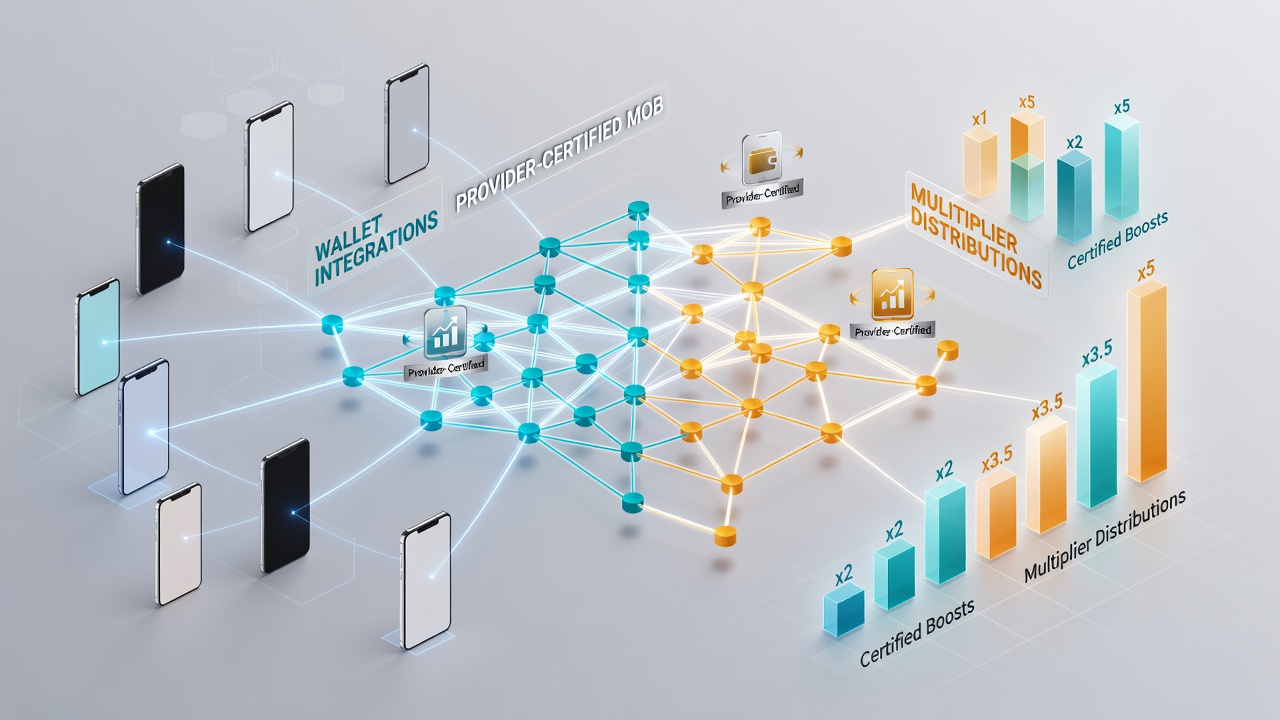
Different certification standards produce distinct multiplier spreads because each provider enforces unique rules for how wallet-sourced funds trigger bonus layers. One major European supplier applies multipliers in clustered sequences tied to deposit size brackets, whereas North American platforms often spread them evenly across session lengths to comply with regional testing requirements.
Research from the University of Nevada, Las Vegas gaming laboratory shows that wallet integration depth correlates with multiplier variance rates, with deeper API connections yielding more granular distribution curves that adjust every few seconds during active play.
Certification Requirements and Compliance Factors
Certification processes examine both wallet security protocols and multiplier algorithms in tandem, requiring providers to demonstrate that no external transaction can alter certified payout percentages. Testing labs run thousands of simulated sessions where wallet inputs vary in amount, currency type, and speed, then verify that resulting multiplier outputs stay within approved statistical bounds.
Industry reports from the European Gaming and Betting Association highlight that platforms passing these joint evaluations experience fewer disputes over bonus calculations, because the integrated systems maintain transparent audit trails from the moment funds enter the account until multipliers resolve at the end of each round.
Regional Variations in Implementation
Markets in Asia-Pacific regions tend to favor cryptocurrency wallet integrations that enable faster multiplier recalibrations, while Canadian and Australian operators emphasize fiat-based systems with slower but more heavily audited distribution cycles. These differences emerge because local regulations dictate how quickly funds must clear before multipliers can activate, creating noticeable patterns when players move between jurisdictions.
Data collected through platform analytics reveals that sessions funded via instant wallet options show tighter clustering around mid-range multipliers, whereas delayed settlement methods produce wider spreads that occasionally reach maximum tiers after longer verification periods.
Future Developments in Integration Standards
Software providers continue refining the handoff between wallet ledgers and multiplier engines, with upcoming standards expected to incorporate machine learning elements that predict distribution needs based on historical transaction graphs. These advancements aim to reduce latency between deposit confirmation and multiplier availability while preserving the integrity required by certification frameworks.
Conclusion
The intersections between wallet integrations and multiplier distributions remain central to how certified mobile table formats operate across global markets, and ongoing refinements in July 2026 underscore the technical precision these systems demand. Continued collaboration between payment processors, game developers, and regulatory testing bodies ensures that these connections deliver consistent, verifiable outcomes for players and operators alike.