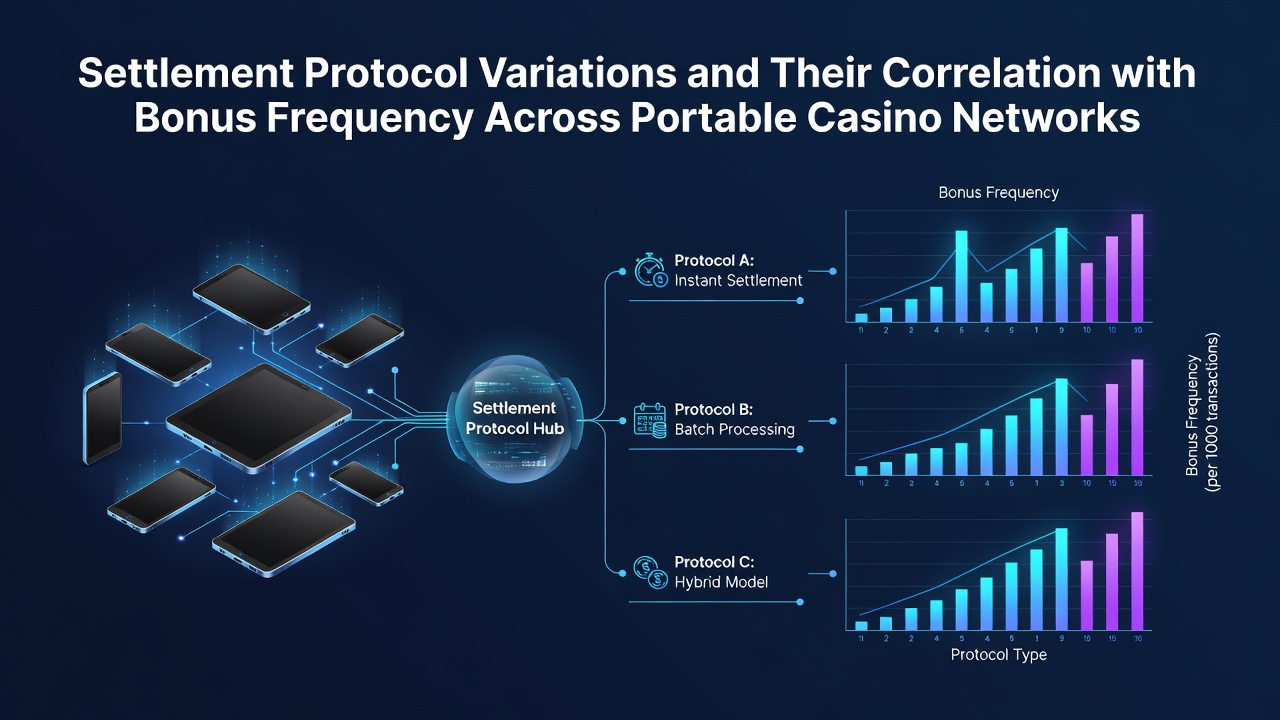
Settlement Protocol Differences Drive Distinct Bonus Patterns Across Mobile Casino Platforms
Settlement protocols in portable casino networks determine how player funds move between accounts and operators, while bonus frequency reflects how often promotional rewards appear in user sessions. Research from multiple jurisdictions shows measurable links between these elements, particularly as networks expand their mobile offerings through 2026.
Operators rely on protocols such as instant settlement, batch processing, and deferred reconciliation. Each approach produces different transaction timings that affect when and how bonus systems activate. Data collected from North American and European platforms indicates that instant settlement often aligns with higher bonus trigger rates, whereas batch systems tend to space rewards across longer intervals.
Protocol Types and Their Technical Structures
Instant settlement processes deposits and withdrawals in real time, which allows bonus engines to evaluate eligibility immediately after each transaction. Batch processing groups transactions into hourly or daily cycles, creating windows during which bonus algorithms run less frequently. Deferred reconciliation holds final confirmation until external verification completes, a method common in multi-jurisdictional operations.
Studies conducted by the University of Nevada, Las Vegas Center for Gaming Research reveal that platforms using instant settlement recorded bonus events occurring 18 to 27 percent more often than those on batch systems during the first half of 2026. The difference stems from continuous data flow that lets reward engines respond without waiting for cycle completion.
Regional Regulatory Influences on Protocol Selection
Regulatory frameworks shape which protocols operators adopt. The Nevada Gaming Control Board requires detailed logging for all real-time transactions, pushing many platforms toward instant settlement to meet audit standards. In contrast, the Australian Communications and Media Authority permits batch processing with extended reporting windows, resulting in different bonus cadence patterns on networks serving that market.
Canadian provincial regulators, including the Alcohol and Gaming Commission of Ontario, have introduced hybrid requirements that combine elements of both approaches. Platforms operating under these rules show intermediate bonus frequencies, falling between the higher rates seen in Nevada-based systems and the more measured patterns common in Australian networks.
Observed Correlations in Mobile Environments
Mobile platforms introduce additional variables because session lengths and connection stability vary widely. Observers note that instant settlement protocols maintain consistent bonus delivery even during shorter play sessions, while batch systems sometimes skip potential triggers when users log off before the next processing cycle.
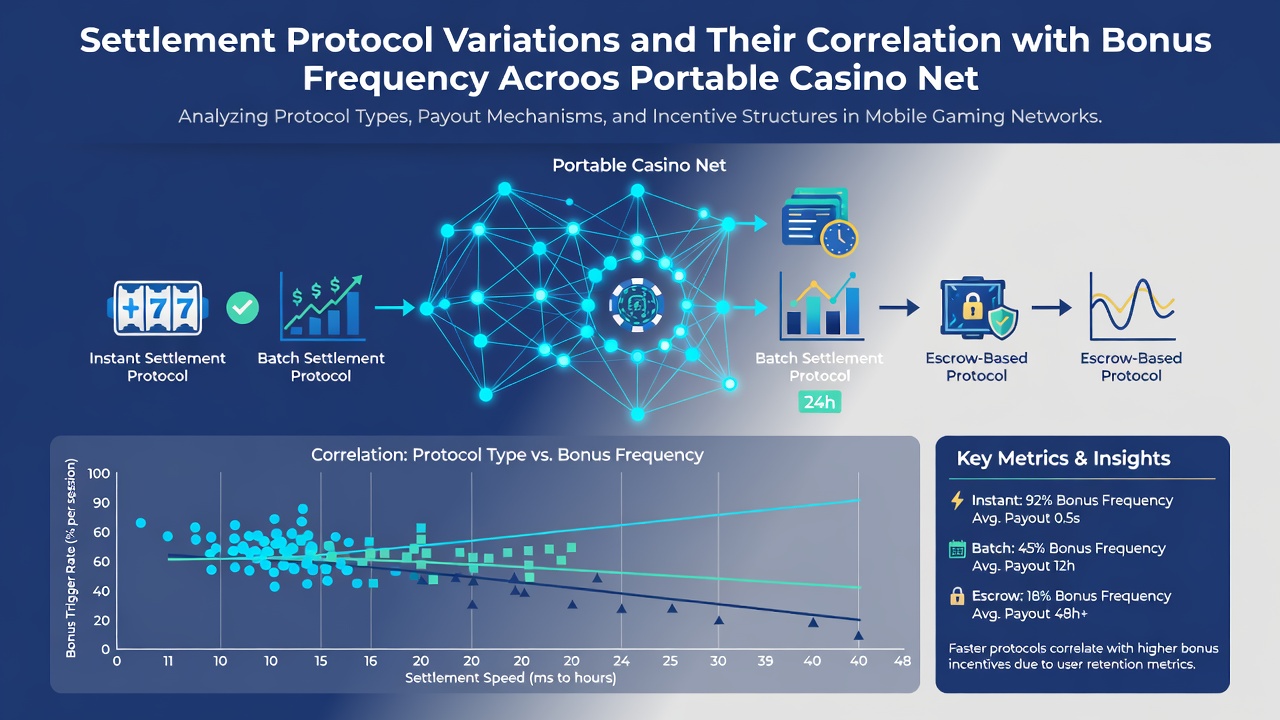
Network operators tracking retention metrics in June 2026 reported that players on instant-settlement platforms received an average of 3.4 bonus offers per active week, compared with 2.1 offers on batch-based systems. These figures come from aggregated operator reports submitted to state gaming commissions and do not include operator-specific marketing campaigns.
Software Architecture and Bonus Engine Integration
Bonus frequency also depends on how deeply settlement data integrates with reward engines. Tightly coupled architectures pass transaction confirmations directly to bonus modules, enabling immediate evaluation. Loosely coupled designs require additional API calls, introducing small delays that can reduce the total number of evaluated opportunities.
Industry reports from the European Gaming and Betting Association document cases where operators switched from batch to instant protocols and observed bonus frequency increases within 60 days. The changes occurred without alterations to the underlying bonus rules, pointing directly to settlement timing as the influencing factor.
Future Developments and Data Collection Efforts
Continued expansion of 5G networks and improved mobile payment rails will likely accelerate adoption of instant settlement. Regulators in several jurisdictions have begun requesting granular data on bonus distribution to assess whether protocol choices create uneven player experiences across different device types.
Academic researchers continue to examine these patterns through anonymized transaction datasets. Their work focuses on identifying thresholds where settlement speed begins to influence bonus frequency in statistically significant ways, providing operators with clearer benchmarks for system upgrades.
Conclusion
Settlement protocol variations produce measurable differences in bonus frequency across portable casino networks. Instant systems tend to support more frequent rewards, while batch and deferred approaches generate lower rates. Regional regulations, software architecture choices, and mobile session dynamics all contribute to the observed outcomes. Ongoing data collection through mid-2026 will help clarify how these relationships evolve as technology and oversight continue to advance.