Payment Authentication Mechanisms Shaping Free Spin Access Across Mobile Gaming Platforms
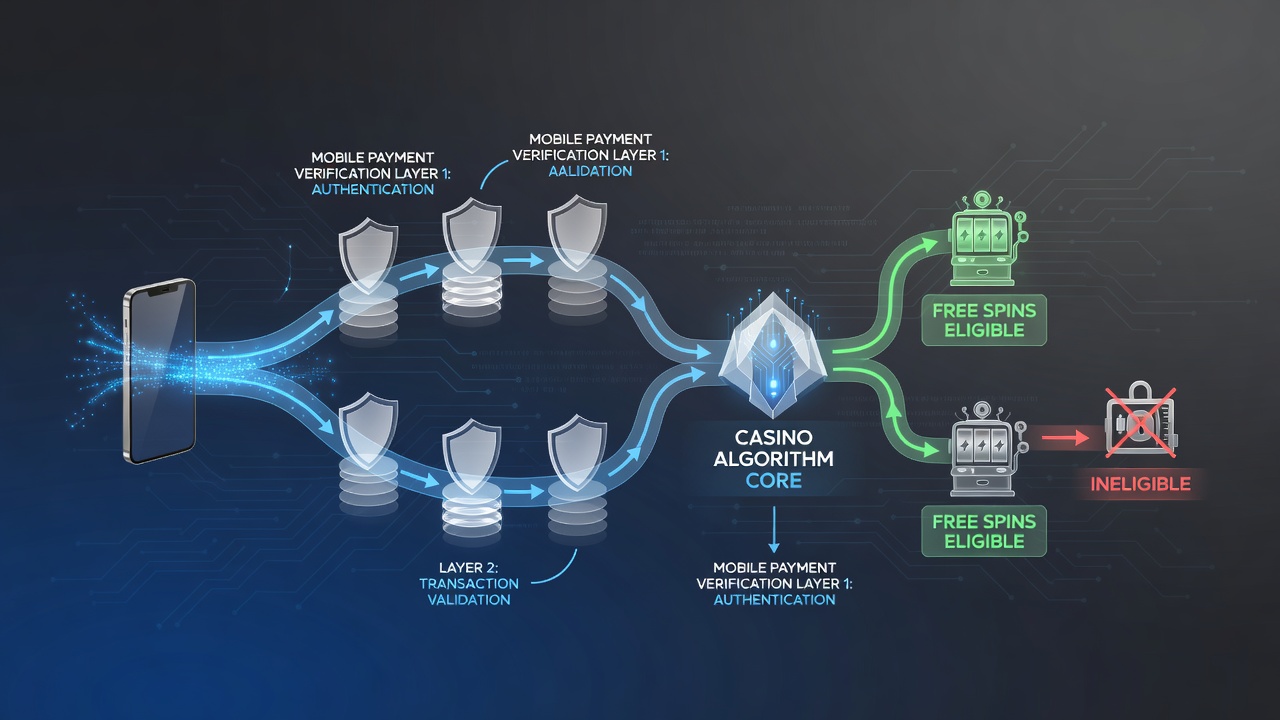
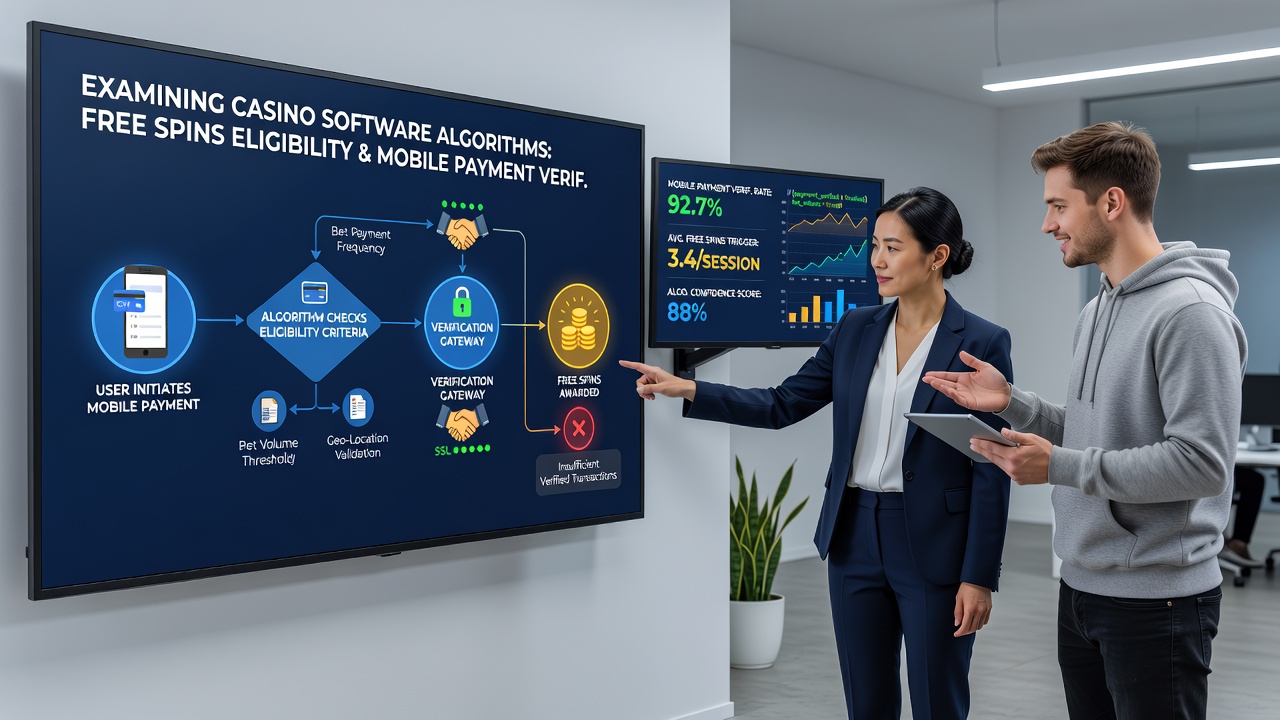
Software developers integrate payment authentication layers directly into mobile casino applications, where algorithms evaluate transaction data to determine whether users qualify for free spins, and these systems cross-reference details such as payment method type, transaction velocity, and account history before granting access to bonus rounds. Observers note that the process begins when a player initiates a deposit through supported mobile wallets or card processors, at which point the backend software triggers verification protocols that scan for patterns consistent with promotional eligibility rules established by operators.
Core Components of Verification Algorithms
Algorithms examine multiple data points in sequence, including the source of funds, the frequency of prior deposits within a defined window, and the geographic indicators tied to the payment account, while cross-checking against internal databases that flag accounts for compliance with regional licensing requirements. Data indicates that successful verification often hinges on real-time API calls to payment gateways, which return status codes confirming the transaction's legitimacy and thereby unlocking the bonus module within the game engine itself.
Those who've studied mobile platform architectures know that developers embed decision trees into the software stack, where each branch evaluates criteria such as minimum deposit thresholds or the use of specific e-wallet providers that operators have pre-approved for promotional campaigns. Research shows these trees incorporate machine learning models trained on historical player behavior, allowing the system to adjust eligibility dynamically based on aggregated transaction trends observed across thousands of sessions.
Interaction Between Mobile Payment Gateways and Bonus Engines
Payment gateways serve as the first filter in this chain, transmitting encrypted metadata that includes device identifiers and IP-linked location data to the casino's central servers, and the bonus engine then processes this information against rule sets that dictate spin allocations. Figures reveal that platforms operating in multiple jurisdictions often maintain separate rule sets for each region, ensuring that verification outcomes align with local regulatory standards on player incentives.
What's interesting is how developers synchronize these layers so that a verified mobile deposit immediately signals the game client to load eligible free spin sequences without additional user input, yet the underlying checks continue running in the background to detect anomalies such as rapid successive transactions that might indicate policy violations. Studies found that integration testing between payment providers and casino software frequently uncovers edge cases where verification delays occur due to network latency or mismatched currency codes, prompting refinements in the algorithm's timeout handling.
Regulatory Influences on Algorithm Design
Regulatory bodies across different regions shape how these algorithms function, with frameworks from entities like the Nevada Gaming Control Board and the Malta Gaming Authority requiring transparent logging of all eligibility decisions for audit purposes. As of August 2026, updates to digital transaction standards in several markets have prompted software providers to incorporate additional checksum validations that confirm payment authenticity before bonus credits activate.
According to reports from the American Gaming Association, payment verification protocols now include enhanced fraud detection modules that analyze behavioral biometrics alongside transaction details, reducing instances where ineligible accounts receive free spins. Observers note that these enhancements stem from collaborative efforts between technology vendors and oversight agencies, resulting in standardized data formats that streamline cross-border compliance checks.
Technical Implementation Patterns Observed in Current Platforms
Engineers structure the verification sequence as a multi-stage pipeline, where initial screening occurs at the payment processor level before deeper analysis takes place within the casino's proprietary algorithm suite, and this staged approach minimizes server load while maintaining accuracy. People who've examined source code patterns in deployed systems describe conditional logic that prioritizes certain payment types, such as those linked to verified bank accounts, over others that carry higher risk profiles.
Turns out that real-time scoring models assign points based on payment history depth, device consistency, and session duration, with thresholds determining the exact number of free spins awarded upon successful verification. Evidence suggests these models draw from datasets compiled across multiple operators, allowing for predictive adjustments that reflect evolving player engagement trends without requiring manual rule updates.
Future Directions in Algorithmic Bonus Distribution
Developers continue refining these systems to handle emerging payment technologies, including those involving tokenization and decentralized finance elements that introduce new verification variables into the eligibility matrix. Research indicates that ongoing collaborations with academic institutions have yielded insights into optimizing decision tree efficiency, particularly in high-volume mobile environments where thousands of simultaneous verifications occur daily.
Conclusion
The interplay between mobile payment verification layers and casino software algorithms establishes a structured pathway for free spins eligibility, grounded in data-driven checks that align with operational and regulatory demands. As platforms evolve, the emphasis remains on precise, automated evaluations that balance player access with system integrity across diverse markets.