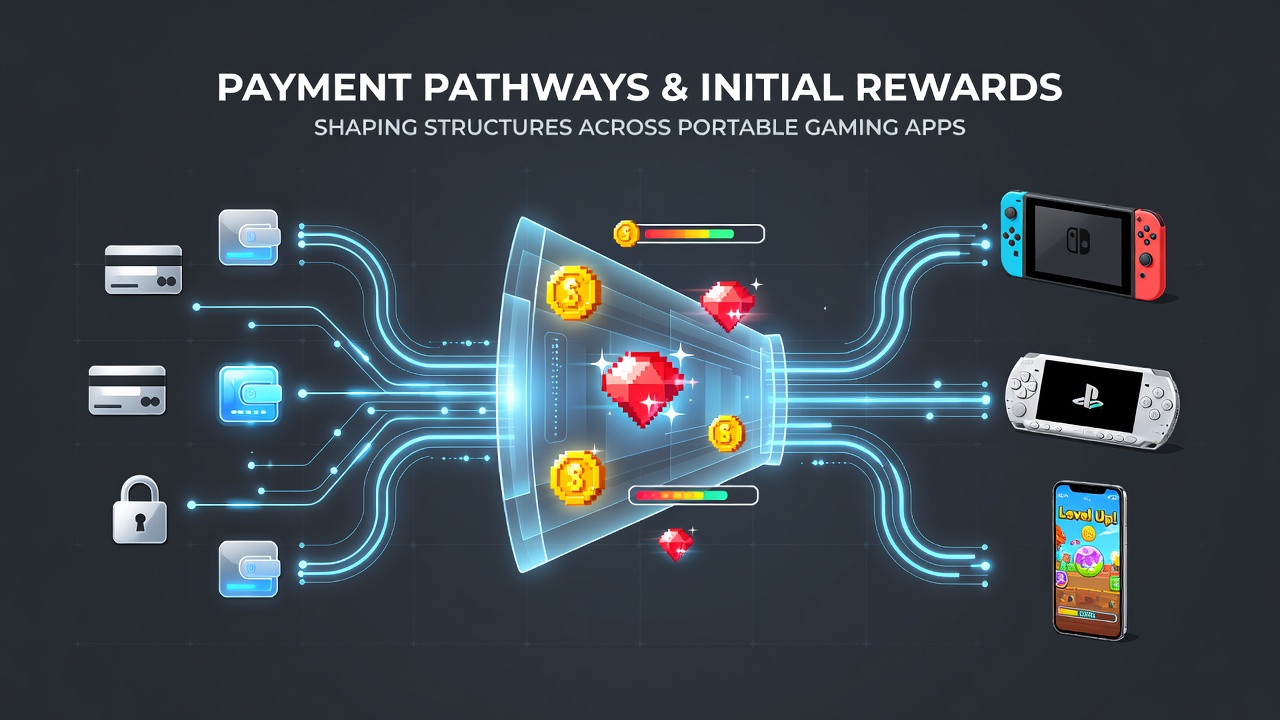
Digital Transaction Methods Reshaping Onboarding Rewards in Portable Gaming Platforms
Payment pathways continue to influence how developers structure initial rewards across portable gaming applications, and data from industry reports in June 2026 highlights ongoing shifts in these mechanics. Mobile game platforms integrate various transaction methods that directly affect sign-up incentives, daily login bonuses, and early progression boosts while developers adjust offerings based on processing speeds, regional availability, and fee structures.
Core Payment Pathways and Their Direct Effects
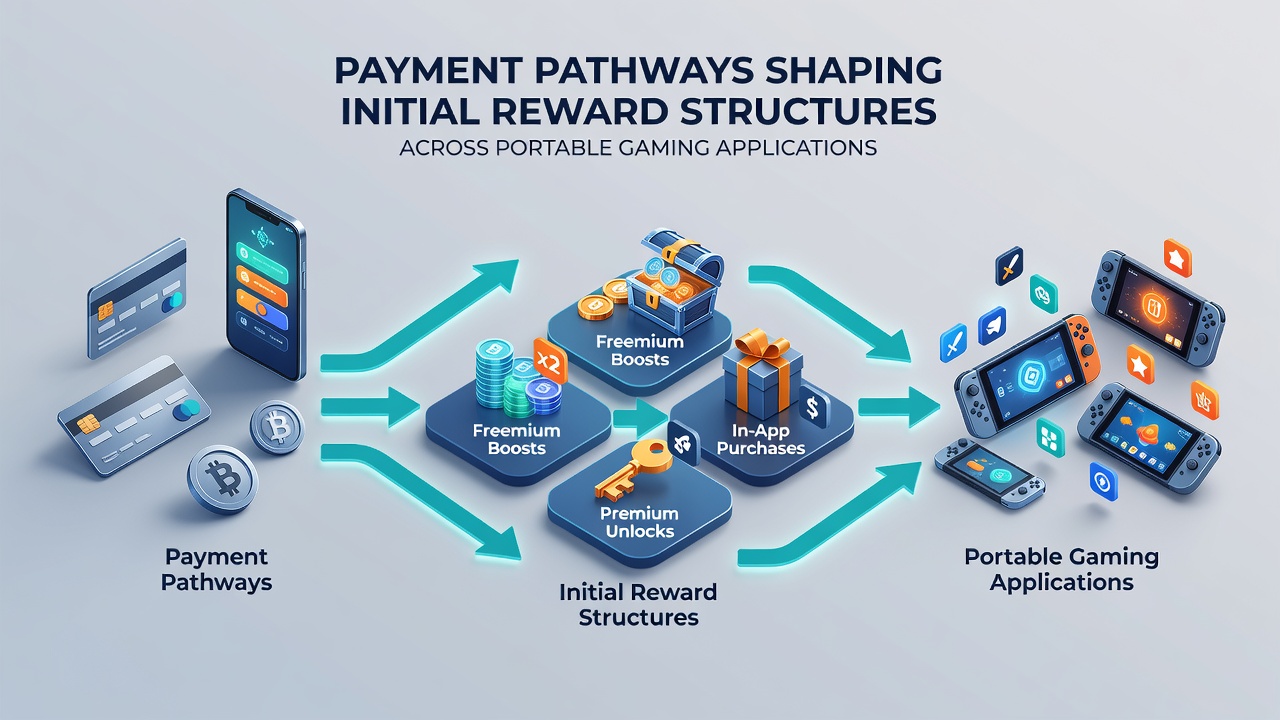
Developers often tie reward availability to specific payment integrations because faster authorization times allow immediate credit of virtual currency or items upon first deposit or purchase. Credit card systems paired with in-app billing frameworks enable instant reward unlocks in many titles, whereas slower bank transfer options typically delay bonus activation until funds clear, which can span several business days depending on the processor. E-wallet services such as those supporting instant transfers create opportunities for tiered welcome packages that scale with transaction volume, and studies from the Entertainment Software Association indicate these methods account for over 45 percent of initial reward redemptions in North American markets during the first half of 2026.
Regional regulations further shape these structures because payment providers must comply with local financial rules that determine which reward types can attach to certain transaction routes. In the European Union, for instance, directives on digital payments require clear disclosure of bonus terms at the point of transaction, leading developers to embed reward details directly into checkout flows rather than presenting them separately. Observers note that this approach reduces user friction yet requires additional backend logic to handle conditional rewards based on payment method selection.
Regional Variations in Reward Design
Payment preferences across Asia-Pacific markets demonstrate distinct patterns compared with those in the Americas, and figures from the Australian Interactive Games Association reveal that local digital wallet dominance has prompted developers to offer region-specific onboarding rewards that activate only through approved domestic processors. These incentives frequently include exclusive character skins or resource packs unavailable through international card networks, which helps platforms maintain compliance while encouraging adoption of preferred pathways.
Meanwhile, emerging cryptocurrency options in select portable gaming ecosystems allow for anonymous or low-fee transactions that developers sometimes pair with higher-value initial rewards to offset volatility risks. Research from the University of Nevada, Las Vegas Center for Gaming Research shows that titles incorporating these options in June 2026 reported a measurable uptick in early user retention metrics when reward structures aligned with the speed and privacy attributes of such pathways.
Technical Integration Challenges and Solutions
Platform policies from major app stores impose additional constraints because they mandate the use of their billing systems for most in-app purchases, which in turn affects how initial rewards can be distributed without triggering policy violations. Developers address these limitations by routing certain reward pathways through external web-based payments that bypass store fees, although this requires careful segmentation to ensure rewards remain accessible across different user segments. Data indicates that hybrid approaches combining store billing for standard purchases with external options for promotional rewards have gained traction in 2026 as companies seek to optimize both compliance and user experience.
Security protocols also play a role since payment pathways with stronger authentication layers enable higher reward values without increased fraud exposure. Multi-factor verification tied to e-wallet accounts, for example, supports larger sign-up bonuses because transaction reversal risks decrease compared with basic card payments. Those who have analyzed transaction logs across multiple titles note that reward structures often scale proportionally with the security rating of the chosen pathway.
Future Trends Emerging in Mid-2026
Cross-border payment harmonization efforts continue to expand options for developers targeting global audiences, and recent updates from regulatory bodies in Canada and Singapore have streamlined approvals for certain digital transaction methods. These changes allow portable gaming applications to present unified reward structures that function consistently regardless of the user's primary payment location. Industry organizations tracking these developments report that standardized APIs for reward activation now support faster rollout of region-agnostic incentives while maintaining localized compliance checks.
Conclusion
Payment pathways remain central to how initial reward structures evolve within portable gaming applications, and ongoing adjustments reflect a combination of technical capabilities, regulatory requirements, and user adoption patterns observed through mid-2026. Developers continue to refine these systems to balance accessibility with operational efficiency across diverse markets. Essential Facts reports from major industry groups and analyses from academic institutions provide ongoing data that informs these design decisions.