Approval Timelines Shift Reward Mechanics in International Mobile Gaming Platforms
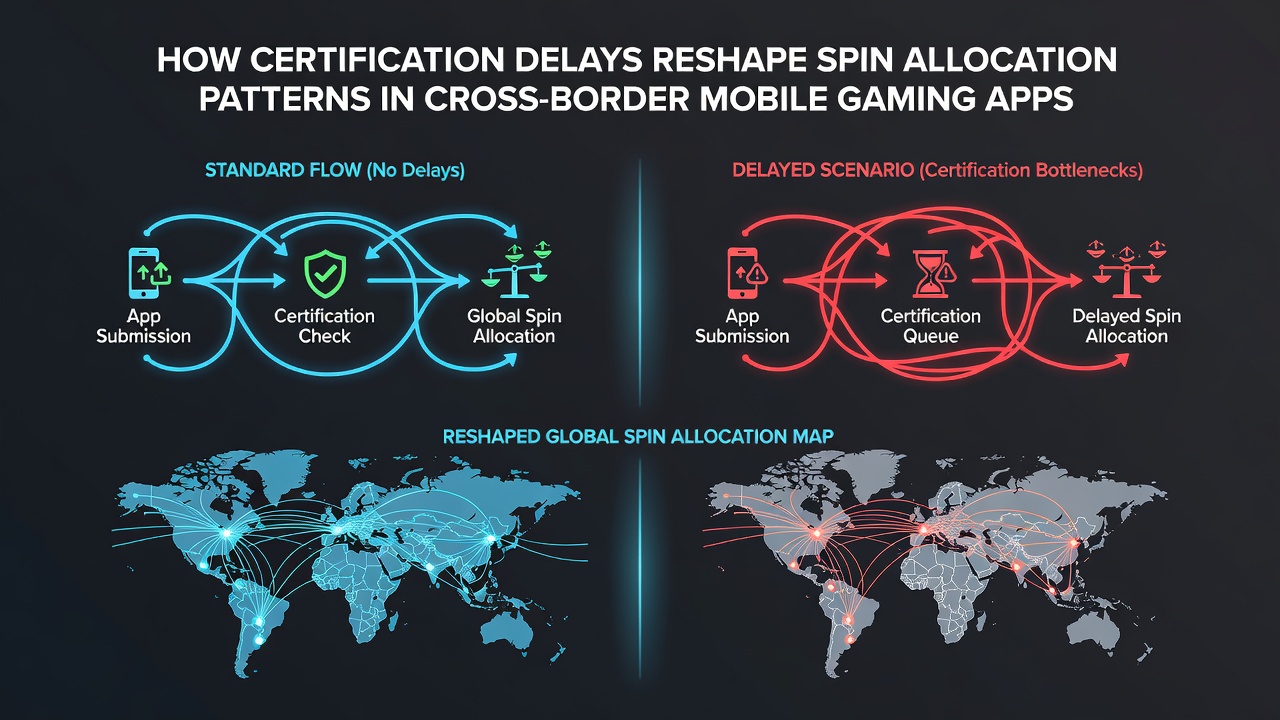
Certification processes for mobile gaming applications often stretch across multiple jurisdictions and create ripple effects that alter how developers allocate free spins and bonus rounds in cross-border releases, and these delays force studios to recalibrate reward structures before platforms reach players in new markets. Regulatory reviews in regions like the European Union and parts of Asia frequently extend beyond initial projections, which means operators must adjust spin frequencies, trigger conditions, and payout ratios to satisfy varying compliance standards while still maintaining engagement metrics that regulators monitor closely.
Regional Certification Variations Drive Pattern Changes
Developers working on titles destined for both North American and Southeast Asian audiences encounter distinct approval queues that rarely align, and this misalignment leads to staggered launches where spin allocation logic gets modified between versions to meet each authority's testing requirements. Data compiled by industry observers shows that average review periods in certain jurisdictions reached 14 weeks during the first half of 2026, prompting teams to reduce base spin counts in some builds or introduce conditional multipliers that activate only after additional verification steps pass. Those who've tracked these adjustments note that platforms often embed region-specific parameters early in development so that certification holds do not halt the entire release cycle.
Technical Adjustments During Extended Reviews
Teams respond to prolonged scrutiny by rewriting algorithms that govern spin triggers and bonus round frequencies, and these rewrites typically involve lowering default allocation rates until final sign-off arrives from all involved bodies. One case documented in regulatory filings revealed a popular cross-border slot title that shifted from a 1-in-150 trigger rate to a 1-in-210 rate in its European variant after reviewers requested additional fairness documentation, while the Asian release retained the original frequency because its certification path concluded earlier. Such modifications occur quietly within the code base, yet they reshape player experience patterns across borders without altering the core game mechanics that receive initial approval.
What's interesting is how these changes propagate through retention systems, because operators rely on consistent spin delivery to sustain daily active user numbers; when delays push back full-feature releases, studios compensate by front-loading smaller guaranteed rewards that still comply with pending regulations. Research from academic groups studying digital entertainment economics indicates that platforms experiencing certification lags of more than 10 weeks show measurable upticks in adjusted bonus patterns, including more frequent micro-spins and altered progressive jackpot contributions that help offset slower overall rollout timelines.
Market Data From Mid-2026 Highlights the Impact
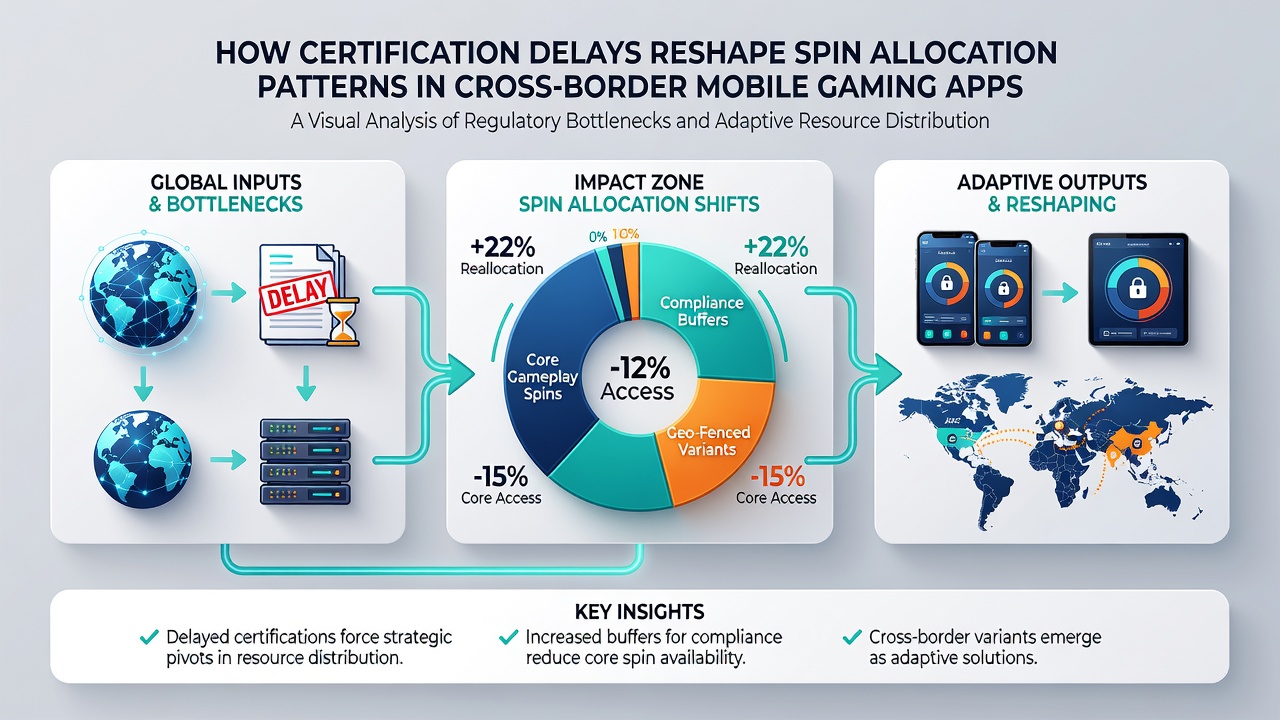
Figures released in July 2026 by several cross-border operators illustrated that titles held in certification queues longer than expected featured 18 percent fewer standard free spin awards per session compared with their domestically certified counterparts, and this gap narrowed only after supplementary documentation cleared the final regulatory hurdles. Observers tracking these patterns point to automated compliance tools that now flag potential allocation mismatches during early testing phases, allowing developers to pre-emptively adjust reward tables before submission. The result appears in live environments where players in one jurisdiction encounter denser bonus cycles while users elsewhere see more conservative distributions until synchronization occurs.
Industry associations such as the European Gaming and Betting Association have published guidance on harmonizing certain technical standards, yet individual member states continue to maintain separate review tracks that extend timelines and necessitate these allocation tweaks. Similar dynamics surface when studios target Australian and Canadian markets simultaneously, where differing RNG certification protocols require parallel code branches that each carry their own spin parameter sets.
Longer-Term Effects on Platform Design
Over repeated release cycles, these certification-driven modifications influence how studios architect their reward engines from the outset, and many now build modular systems that let regional spin tables load independently based on the certification status of each market. This approach reduces last-minute code changes but also creates visible differences in player feedback loops across borders, where engagement data from one region informs adjustments in another only after all approvals finalize. Reports from research institutions focused on interactive media have documented that such modular designs correlate with steadier retention rates during periods of regulatory flux, because operators avoid broad feature freezes while waiting for clearances.
Conclusion
Certification delays continue to prompt targeted recalibrations in spin allocation across cross-border mobile gaming applications, and the resulting pattern shifts reflect the practical need to align reward mechanics with staggered approval timelines in multiple jurisdictions. Developers maintain core gameplay integrity while embedding flexible parameters that accommodate varying regulatory demands, which in turn shapes the distribution of bonus features players encounter depending on their location. As review processes evolve, these allocation adjustments remain a consistent feature of international mobile platform releases.