Algorithms Linking Digital Wallet Transaction Speeds to Free Rotation Credits in Mobile Casino Platforms
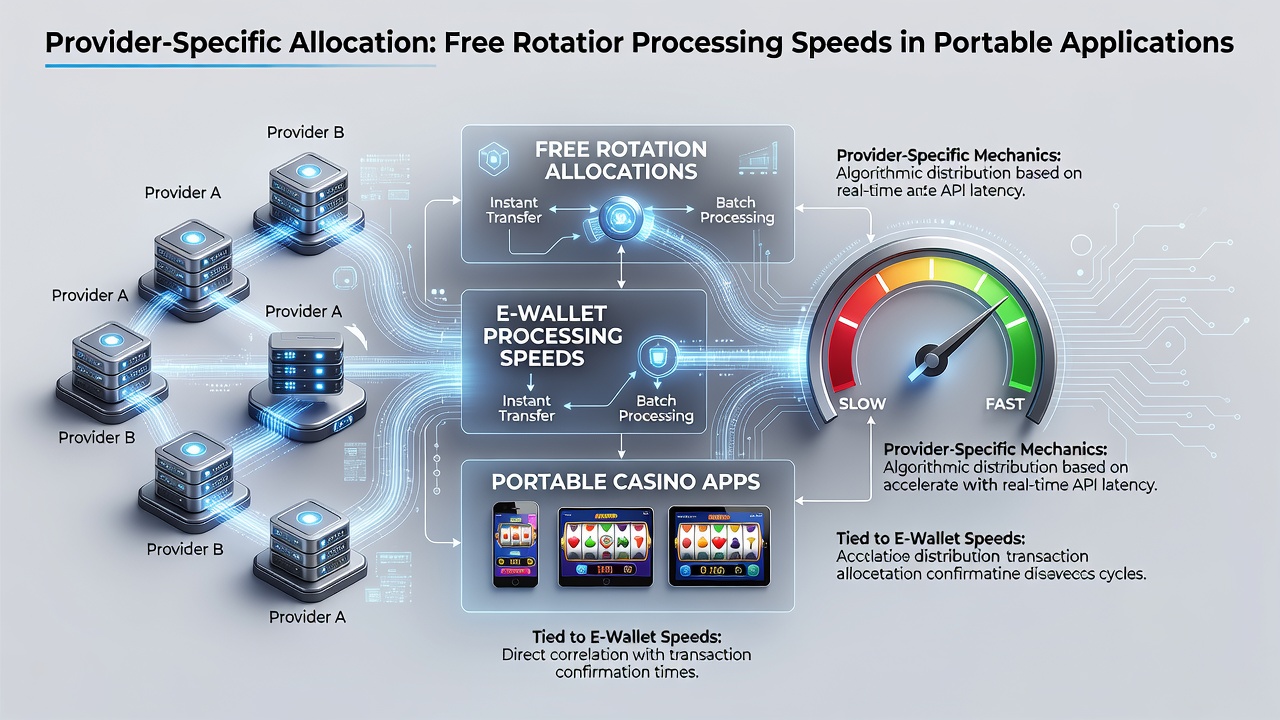
Software providers in the portable casino sector have developed distinct systems that connect e-wallet processing velocities directly to the distribution of free rotation credits, and these mechanics vary by developer because each maintains proprietary code for balancing transaction data with bonus eligibility. Data from industry reports indicates that faster settlement times often trigger higher allocation rates while slower ones result in reduced or delayed credits across multiple applications.
Core Mechanics in Provider Systems
Developers such as those behind leading mobile platforms use real-time APIs to monitor e-wallet confirmation intervals, and once a deposit clears within a set threshold the algorithm assigns rotation credits based on predefined tiers that reflect both speed and transaction volume. Observers note that one common approach involves weighting factors where sub-second processing earns multipliers on base allocations whereas delays beyond three seconds shift users into lower tiers automatically.
These frameworks operate through backend servers that pull data from payment gateways and feed it into the game engine without requiring additional user input, which keeps the process seamless on handheld devices. Research indicates that providers calibrate their thresholds differently to match regional network conditions and typical wallet performance metrics.
Variations Across Major Software Developers
Each provider implements unique rules for tying processing speeds to free rotation volumes, and some emphasize cumulative transaction history while others focus solely on the most recent deposit velocity. One developer routes allocations through a scoring model that combines speed with device type and session duration, whereas another applies a simpler linear function where credit quantity scales directly with milliseconds saved during clearance.
Integration points differ as well, with certain platforms embedding checks inside the payment confirmation callback and others running parallel monitoring services that update user profiles every few seconds. Figures reveal that these differences produce noticeable patterns in how free rotations appear during active play sessions on portable applications.
Impact of Processing Speeds on Allocation Outcomes
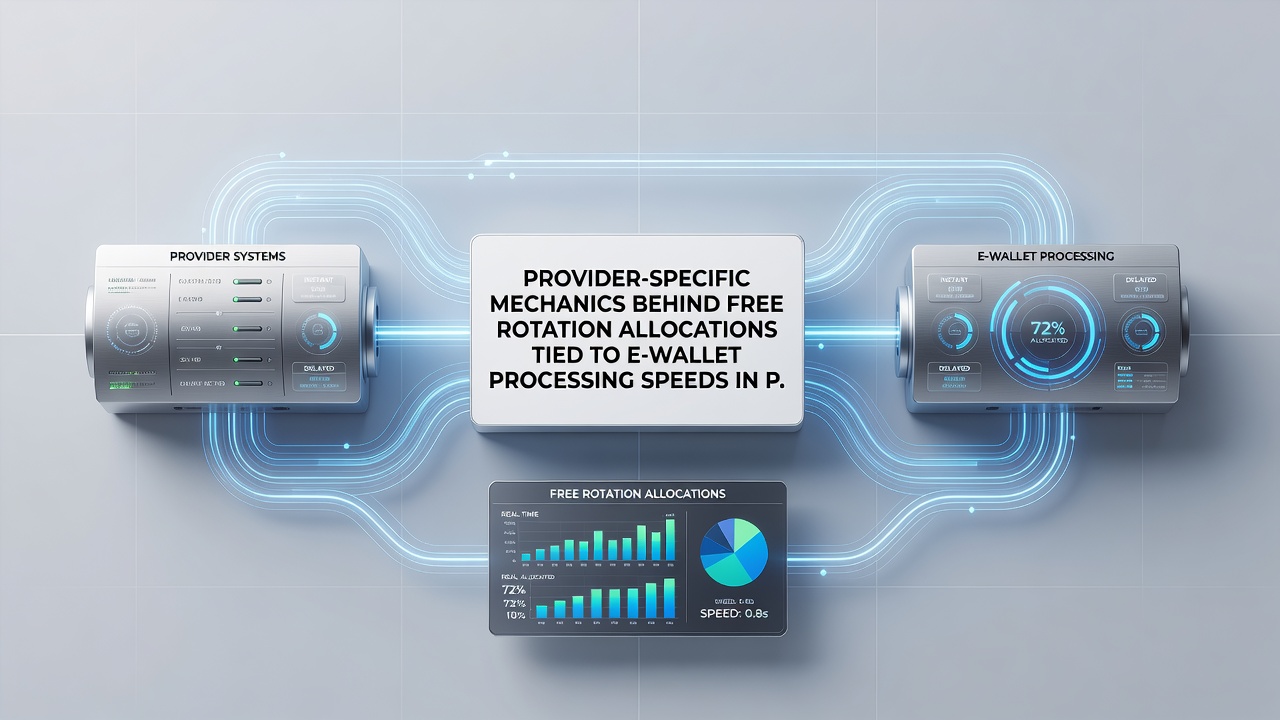
Transaction velocity serves as the primary trigger for credit release, and applications that detect sub-two-second clearances routinely deliver rotation bundles that exceed standard promotional amounts by measurable percentages. Slower speeds, by contrast, often limit users to base-level distributions or place temporary holds until the next qualifying deposit occurs.
June 2026 updates from several providers refined these velocity thresholds to account for expanded 5G network coverage in key markets, which allowed tighter timing windows without increasing server load. The adjustments resulted in more consistent allocation patterns for users relying on popular digital wallets.
Payment method compatibility also plays a role because not every e-wallet reports confirmation data at the same granularity, and providers adjust their algorithms accordingly to avoid penalizing users whose chosen service delivers accurate but slower metadata. Those who've examined provider documentation find that fallback rules activate when primary speed signals fall outside expected ranges.
Technical Implementation Details
Backend logic typically involves timestamp comparisons between payment initiation and gateway confirmation, after which the result feeds into a decision tree that determines credit quantity and validity period. Some developers store velocity profiles per user account to enable dynamic adjustments over time, whereas others reset metrics with each new session to maintain strict per-transaction evaluation.
Security layers wrap these processes to prevent manipulation of reported speeds, and encryption protocols ensure that timing data remains accurate during transmission between wallet services and casino servers. According to reports from the European Gaming and Betting Association, such safeguards have become standard across compliant mobile platforms operating in regulated jurisdictions.
Regional and Regulatory Influences
Jurisdictions impose varying requirements on how quickly processing data must be handled and disclosed, which influences the design of allocation algorithms in portable applications. Providers operating under multiple licenses maintain separate rule sets that activate based on user location to remain aligned with local standards.
Data from the National Council on Problem Gambling highlights ongoing monitoring of bonus distribution fairness tied to payment performance, and several providers have published compliance summaries that detail their velocity-based allocation logic for transparency purposes. These disclosures allow regulators to verify that speed metrics do not create unintended advantages or restrictions for specific wallet users.
Conclusion
Provider-specific mechanics continue to evolve as e-wallet technologies advance and mobile networks improve, which creates ongoing adjustments in how free rotation allocations respond to transaction processing speeds. The systems remain distinct across developers because each balances technical capabilities, regulatory demands, and operational efficiency in unique ways while delivering credits through automated, velocity-driven processes in portable casino environments.