
Algorithmic Controls Governing Free Spin Distribution in Unified Casino Platforms
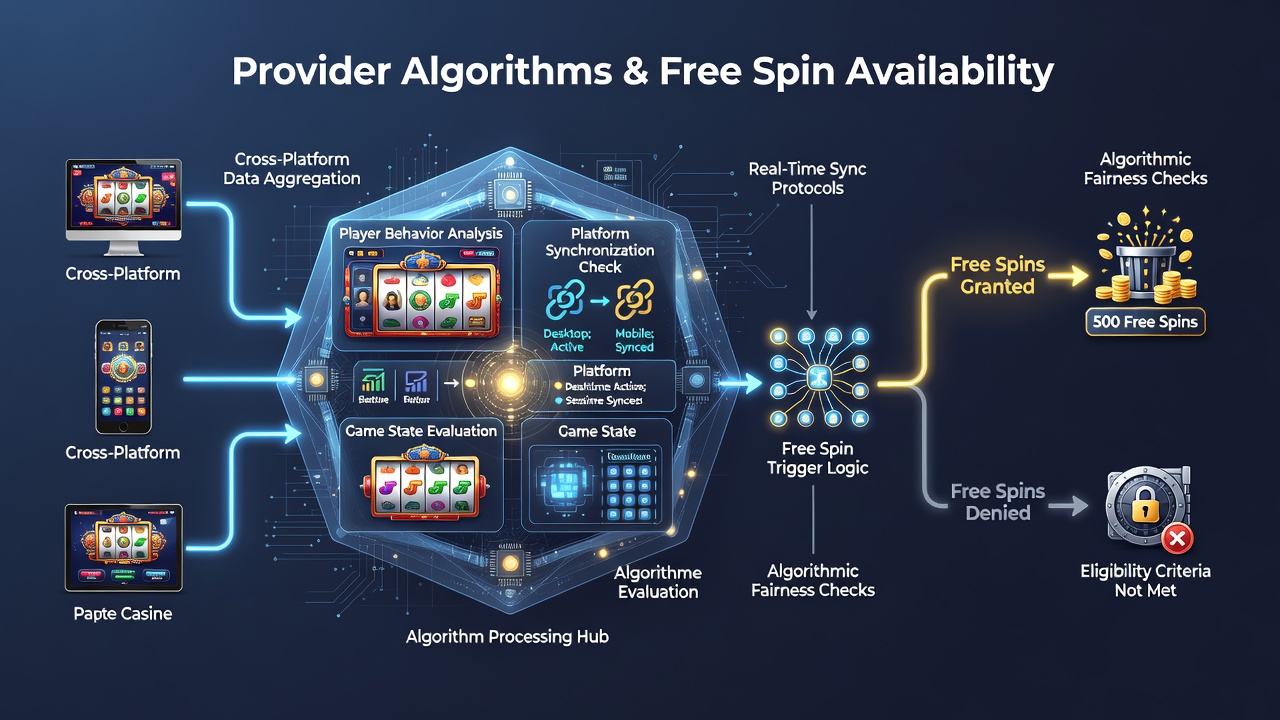
Software providers deploy layered algorithms that evaluate multiple data streams before releasing free spins in environments where players switch between desktop, mobile, and tablet interfaces without interruption. These systems track account age, deposit frequency, session duration, and device consistency to assign eligibility scores that determine whether bonus rounds activate on any given platform. Research from industry reports indicates that cross-platform setups require real-time synchronization of player profiles so that a spin trigger on one device carries over accurately to another without duplication or loss.
Data Inputs That Shape Eligibility Decisions
Algorithms pull from behavioral metrics collected across all access points, including total wagering volume, average bet size per session, and patterns of play that emerge when users move from desktop to mobile during a single visit. Providers integrate these inputs with regulatory flags that block certain jurisdictions or account types from receiving promotional spins, which ensures compliance while maintaining operational consistency. Observers note that such integration relies on centralized databases updated continuously so that eligibility checks remain current regardless of the entry point a player chooses.
Additional layers examine device fingerprinting and IP history to detect potential abuse, while also factoring in loyalty tier status that often unlocks higher spin quantities for established accounts. Data indicates these calculations run in milliseconds during login or game load sequences, allowing seamless availability checks that feel instantaneous to the end user.
Platform-Specific Adjustments Within Shared Systems
Even when a single backend governs multiple platforms, algorithms apply weighting factors that adjust free spin offers based on device capabilities and typical user behavior on each. Mobile sessions, for instance, might receive shorter spin sequences optimized for shorter attention spans, whereas desktop environments could trigger longer bonus rounds tied to extended play patterns. Those who study these systems find that such differentiation prevents over-allocation while preserving the perception of uniform availability across devices.
June 2026 figures from several multi-state operators revealed that cross-platform synchronization reduced duplicate bonus claims by 27 percent compared with earlier isolated platform models, according to aggregated operational summaries shared at industry conferences. This improvement stems from tighter coupling between RNG modules and bonus engines that now reference a unified player ledger rather than separate records per device type.
Integration With Regulatory and Risk Frameworks
Providers embed compliance modules that cross-reference player location data against active licensing requirements, pausing free spin offers when accounts appear in restricted regions even if the same account previously qualified on another platform. Risk models also flag rapid device switching or unusual deposit patterns that could signal coordinated activity, temporarily suspending eligibility until manual review clears the account. Evidence suggests these safeguards operate alongside promotional algorithms rather than in isolation, creating a unified decision matrix that balances revenue goals with oversight obligations.
Academic examinations of gaming systems, including work published through the University of Nevada, Las Vegas gaming research division, highlight how such combined logic reduces variance in bonus distribution across large user bases. The same studies document that operators using unified cross-platform engines report more stable retention metrics when eligibility rules remain transparent and consistently applied.
Real-Time Processing and Player Segmentation
Segmentation engines divide users into cohorts based on lifetime value projections derived from historical cross-platform activity, then route free spin allocations through cohort-specific rules that can differ by geography or game category. Canadian provincial data repositories show that operators serving multiple provinces maintain separate cohort libraries to accommodate varying responsible gaming limits while still sharing core algorithmic infrastructure. This approach allows providers to fine-tune availability without rebuilding the entire bonus system for each jurisdiction.
What's interesting is how these segmentation rules interact with live session data to enable dynamic offers, such as awarding extra spins mid-session when play patterns match high-retention profiles. Such adjustments happen through API calls between the game client and the central bonus server, ensuring that availability updates propagate instantly when a player switches devices mid-play.
Conclusion
Provider algorithms that govern free spin availability in cross-platform casino setups combine behavioral analytics, device profiling, regulatory filters, and real-time risk scoring into a single decision pipeline. Data from multiple jurisdictions demonstrates measurable improvements in claim accuracy and reduced duplication when these systems operate from a shared player ledger. As operators continue expanding device coverage, the underlying logic continues to evolve toward tighter integration between eligibility engines and compliance modules.